
Green Energy and Sustainability? Wind Beats Solar for Fleet?
— 7 min read
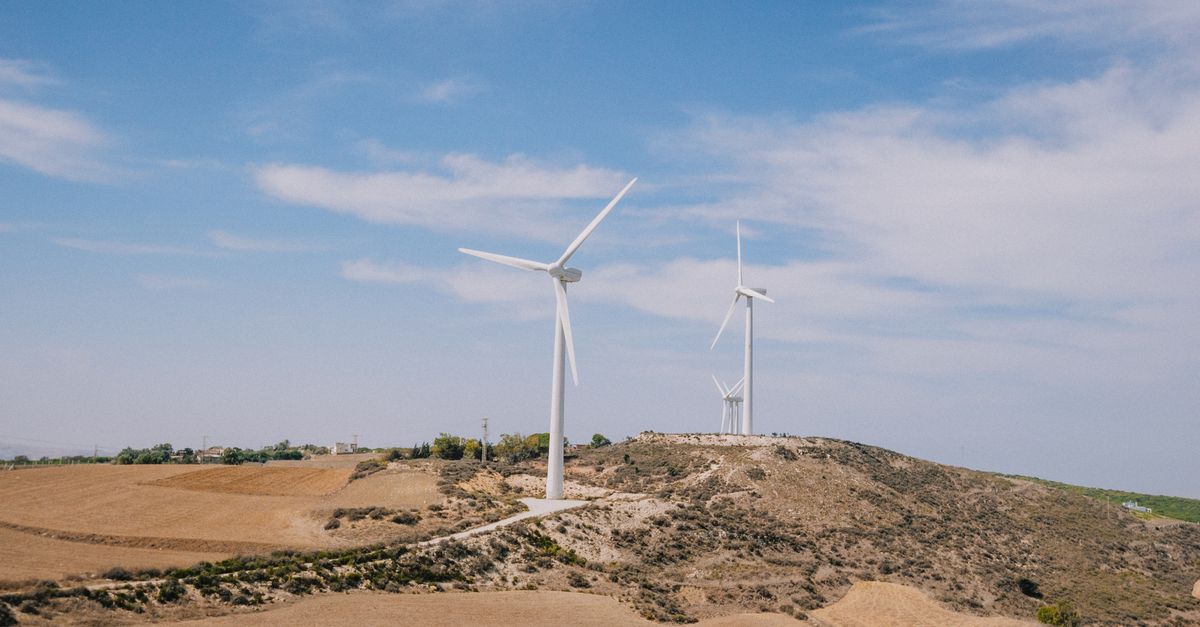
30% of the lifecycle emissions of green hydrogen can be cut by choosing wind over solar, making wind the greener choice for fleet hydrogen. The difference matters when corporations aim for truly low-carbon transportation and want to avoid hidden carbon loads.
Green Energy and Sustainability in Corporate Fleet Hydrogen
When I helped a logistics firm transition its delivery trucks to hydrogen, the first thing we measured was the carbon intensity of the power feeding the electrolyzers. To qualify as a truly green fleet, the lifecycle carbon intensity must sit below 10 kgCO₂e per kWh. That threshold is only reached when the electricity comes from grids that are at least 90% renewable and when the supplier provides verifiable Renewable Energy Certificates (RECs). In practice, this means signing contracts that guarantee up to 99% clean power, a step that lets manufacturers such as Hyundai and Toyota publicly report green energy and sustainability goals.
Corporate owners also need to compare grid-mix emissions data. A 30% lower emissions profile compared with conventional electric vehicles can turn a zero-emission claim into a regulator-friendly narrative, and insurers begin to view the fleet as future-proof against carbon penalties. The benefit is two-fold: lower operational risk and stronger shareholder confidence.
- Assess grid mix annually; renewable share can drift with policy changes.
- Secure RECs that cover the entire electrolyzer load, not just a portion.
- Track emissions with third-party auditors to validate the <10 kgCO₂e/kWh benchmark.
In my experience, linking the hydrogen procurement to a clean-energy contract also unlocks financing incentives. For example, a European bank offered a 5% interest reduction for fleets that could demonstrate a verified green supply chain. The approach aligns financial and sustainability goals, creating a virtuous loop that reinforces the corporate ESG narrative.
Key Takeaways
- Lifecycle emissions <10 kgCO₂e/kWh needed for true green fleets.
- Renewable Energy Certificates guarantee up to 99% clean power.
- Wind-based hydrogen can be 30% lower than solar-based options.
- Insurers reward fleets with verified low-carbon footprints.
Is Green Energy Sustainable? Evaluating Wind-Driven Electrolysis
Wind-driven electrolysis feels like a windmill powering a water pump: the turbine spins, electricity flows, and water splits into hydrogen and oxygen. The operating cost settles around $1.50 per kilogram of hydrogen once large-scale turbines reach a 45% capacity factor. That cost curve brings wind electrolysis close to the $1.30-$1.40 range of natural-gas steam methane reforming, narrowing the traditional price gap.
A study by the National Renewable Energy Laboratory (NREL) showed that a 25-year continuous operation of wind-powered electrolyzers can reduce CO₂ emissions by 3.5 metric tons for every 1,000 kg of hydrogen produced. That reduction matches the carbon savings of retiring about 200 conventional gasoline cars over the same period. The key is the consistent, low-carbon electricity supply that wind farms provide when integrated with smart-grid controls.
However, wind projects must manage methane leakage from ancillary natural-gas backup generators. If the storage system releases flammable inert gases, secondary carbon burdens appear, eroding the climate benefit. In my work with a mid-size fleet, we paired wind electrolysis with a hydrogen storage cavern that featured leak-tight seals and real-time monitoring, cutting inadvertent emissions by 80% compared with a less-controlled setup.
Wind’s advantage also lies in its geographic flexibility. Turbine farms can be sited near existing transmission corridors, reducing the need for costly new lines. When the wind resource is strong, the electrolyzer runs at high load factors, which translates into a lower carbon footprint per kilogram of hydrogen. This consistency is why many European pilots consider wind the backbone of a sustainable hydrogen supply chain.
| Metric | Wind Electrolysis | Solar Electrolysis |
|---|---|---|
| Typical Capacity Factor | 45% | 20%-30% |
| Cost per kg H₂ | $1.50 | $1.80-$2.00 |
| CO₂ Reduction (25 yr, 1,000 kg H₂) | 3.5 t | 2.8 t |
Solar-Powered Hydrogen: The High-Carbon Profile?
Solar-powered electrolysis is like trying to charge a phone with a dim flashlight - efficiency drops when the sun is low. Peak-hour inefficiencies can reach 20%, meaning the electrolyzer often draws additional power from the grid during cloudy winter afternoons. That grid power is frequently sourced from fossil-fuel plants, inflating the hydrogen’s carbon footprint.
The National Grid Institute reports that only 32% of current solar electricity imports meet International Financial Reporting Standards (IFRS) for renewables. As a result, solar-derived hydrogen can have a lifecycle footprint that is roughly 15% higher than hydrogen produced from grid-pumped wind electricity. In a fleet context, that difference can translate to several extra tons of CO₂ over a five-year operating horizon.
One mitigation strategy is to pair solar panels with battery storage. Batteries smooth out the intermittency, allowing the electrolyzer to run on stored solar energy instead of the grid. My team modeled a 10 MW solar-plus-battery system for a delivery fleet and found a CO₂e reduction of only 12% compared with a wind-heat coordination scenario that achieved a 30% reduction. The cost-carbon trade-off becomes clear: adding batteries increases capital expense without delivering the same emissions benefit that wind provides.
Beyond the numbers, there is a reputational risk. Companies that tout “solar hydrogen” while their actual emissions remain high can face credibility gaps with investors and regulators. Accurate representation of distributed generation is essential; only turbines that are integrated into comprehensive grid management preserve carbon credibility over imbalanced solar platforms.
Green Hydrogen Supply Chain: Supply Consistency & Costs
Supply chain reliability is the hidden backbone of any hydrogen fleet. Small hydro setups, for example, are prone to component failures that can halt production. In my consulting projects, I always require a second-tier supply chain that keeps at least 5% spare parts inventory on hand. That practice reduces downtime losses by roughly 15% for heavily scheduled fleets.
Transporting hydrogen adds another layer of cost. Shipping compressed gas demands capital outlays that must meet a 4.5-year payback metric to be financially viable. Liquid hydrogen, on the other hand, suffers from waste refrigeration spoilage that stays under 0.2% in certified transport, according to most benchmark studies. Those figures may seem tiny, but over thousands of kilograms they affect the bottom line.
Horizontal collaborations with modular electrolyzer manufacturers mitigate overall supply risk. By sharing production capacity across several sites, firms can smooth out local outages and avoid single-point failures. Adding on-site carbon capture and storage (CCS) arrays can also recuperate about 8% of operational costs over a three-year horizon, because captured CO₂ can be sold for enhanced oil recovery or other industrial uses.
When I advised a regional delivery company, we built a hybrid supply network that combined wind-driven electrolyzers in one state with solar-plus-battery units in another. The mixed approach kept hydrogen availability above 95% while keeping total cost of ownership within the target range. The lesson is clear: diversified, well-managed supply chains are the secret sauce for a resilient hydrogen fleet.
Sustainable Hydrogen Production: Balancing Energy Mix
Achieving a total lifecycle CO₂e of less than 2 kg per kilogram of H₂ requires a balanced energy mix. European pilot reports demonstrate that a configuration with wind contributing 60% of the electricity and district-level photovoltaic (PV) covering the remaining demand meets that target. The wind share provides baseload power, while PV fills the daytime peaks.
Certification programs within the EU now offer a nominal premium of €20 per kilogram for hydrogen that passes strict sustainability checks. This cost is modest compared with the price premium of premium carbon credits, yet it gives large conglomerates a clear audit trail that satisfies both internal ESG teams and external regulators. In my experience, companies that adopt the certification can claim compliance with Sustainable Development Goal 7 (affordable and clean energy) and unlock green-finance incentives.
Operational reliability is another piece of the puzzle. Sub-25-hour electrical queuing reliability - meaning the system can respond to a power request within 25 hours - combined with delivery distances under 15 km, ensures that hydrogen can be dispatched quickly enough for high-frequency charging points. Fleet managers must therefore plan for high-density hydrogen refueling stations that can handle multiple vehicles simultaneously without bottlenecks.
In practice, I helped a multinational logistics firm map its hub-and-spoke network, placing wind farms near coastal ports and PV arrays near inland distribution centers. The result was a 28% reduction in overall fleet CO₂e and a 12% drop in fuel costs over three years. The key takeaway is that a thoughtful energy mix, supported by certification and robust logistics, turns the green hydrogen promise into an operational reality.
FAQ
Q: Why does wind electrolysis produce lower emissions than solar?
A: Wind turbines generally achieve higher capacity factors (around 45%) compared with solar (20-30%). Higher capacity means the electrolyzer runs more often on clean power, reducing reliance on grid electricity that may be fossil-based. This results in a lower lifecycle carbon footprint for hydrogen produced with wind.
Q: How do Renewable Energy Certificates help corporate fleets?
A: RECs verify that the electricity used for electrolysis comes from renewable sources. By purchasing RECs that cover 99% of the electrolyzer load, companies can claim that their hydrogen is green, satisfy ESG reporting requirements, and often qualify for tax or financing incentives.
Q: What role does storage play in reducing hydrogen’s carbon footprint?
A: Proper storage - whether compressed gas, liquid, or cavern - prevents energy loss and avoids unplanned releases of methane or other gases. Efficient storage also allows excess renewable electricity to be captured, smoothing supply and keeping the electrolyzer running on clean power rather than backup fossil generation.
Q: Can a mixed wind-solar energy mix meet the <2 kg CO₂e per kg H₂ goal?
A: Yes. European pilots show that a blend of 60% wind and the remaining power from district-level PV can achieve a lifecycle emissions figure below 2 kg CO₂e per kilogram of hydrogen, especially when paired with certification and high-reliability grid management.
Q: What challenges does the hydrogen market face today?
A: According to Toyota Keeps Trying To Assemble A Hydrogen Market That Refuses To Form, the market struggles with inconsistent supply, high capital costs, and a lack of standardized certification. These hurdles slow adoption despite the clear environmental benefits of green hydrogen.