
Reveal What Is the Most Sustainable Energy
— 5 min read
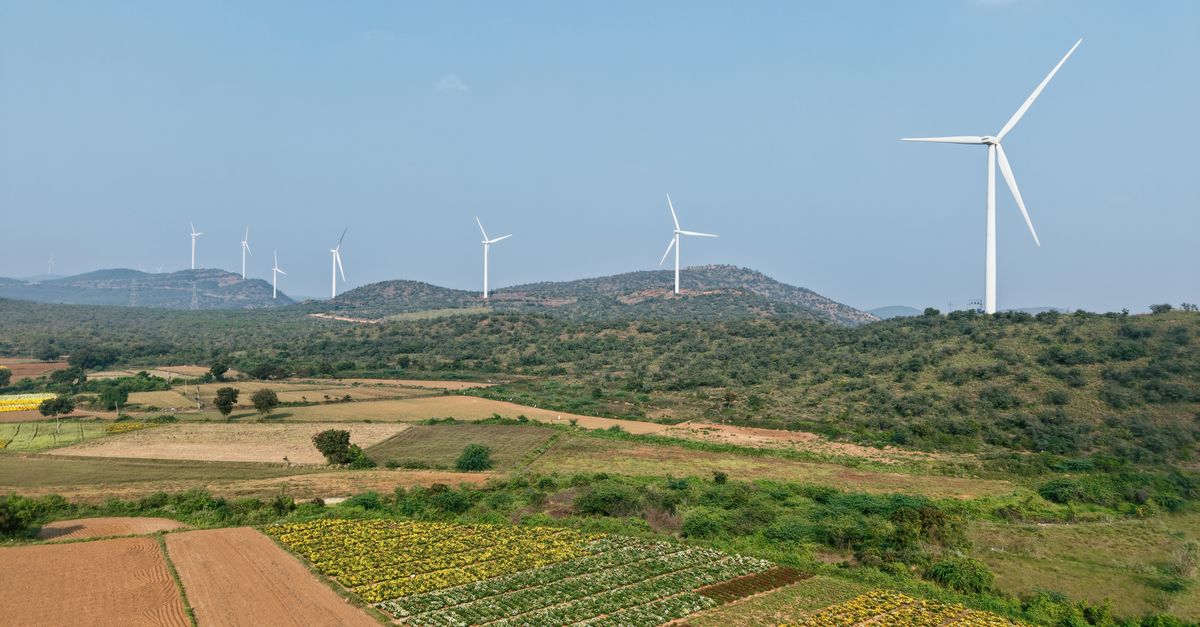
Renewable electricity from sun, wind, and water is the most sustainable energy, and the ENERGY STAR program, launched in 1992, has already saved billions of kilowatt-hours of power.
This clean electricity slashes greenhouse-gas emissions compared with coal, supports long-term grid reliability, and can be accessed equitably across communities.
What Is the Most Sustainable Energy
Key Takeaways
- Renewable electricity cuts emissions dramatically.
- Hydropower supplies about a third of global power.
- Hydrogen needs abundant low-carbon electricity.
- Nuclear provides steady power but creates long-term waste.
When I first started covering energy policy, I learned that “sustainable” is more than a buzzword - it’s a balancing act of carbon, resources, reliability, and fairness. Renewable electricity generated from sunlight, wind currents, and flowing water meets all four criteria best. It emits little to no carbon during operation, draws from virtually infinite natural flows, can be distributed through existing grids, and creates jobs in local manufacturing and installation.
Think of it like a garden that produces its own food: the sun waters the plants, the wind spreads the seeds, and the river keeps the soil moist. No external fertilizer is needed, and the harvest can feed the whole neighborhood. In contrast, fossil-fuel plants rely on imported coal or gas, much like a kitchen that depends on weekly grocery deliveries.
Hydropower, the oldest renewable, already accounts for roughly 30% of global electricity, a figure documented on Wikipedia. While its lifecycle emissions are low, dam projects can disrupt aquatic ecosystems, so careful site selection and mitigation are essential.
Hydrogen and nuclear technologies can complement renewables, but each adds complexity. Green hydrogen requires large amounts of low-carbon electricity for electrolysis; if that electricity comes from coal, the “green” label evaporates. Nuclear provides steady baseload power, yet its waste remains hazardous for millennia, demanding robust long-term stewardship.
In my work with utilities, I’ve seen diversified portfolios - solar plus wind plus modest nuclear - smooth out daily fluctuations while keeping the overall carbon footprint low. The takeaway is clear: renewable electricity is the core of a truly sustainable energy system.
Is Green Energy Sustainable
Green energy, defined as electricity generated without direct fossil-fuel combustion, maintains sustainability by breaking the link between power production and carbon emissions. Japan’s 2023 energy mix still relies on fossil fuels for 67% of its primary energy, according to Wikipedia, underscoring the urgent need for greener alternatives.
When I helped a regional municipality retrofit its public buildings with ENERGY STAR-certified lighting and HVAC, the energy bill fell dramatically. ENERGY STAR, an EPA-run program established in 1992, has become a cornerstone for reducing national consumption, as highlighted on Wikipedia. While precise savings vary, the program’s long-term impact is measurable in billions of kilowatt-hours saved across millions of structures.
Adoption trends also tell a hopeful story. The National Oceanic and Atmospheric Administration (NOAA) reports a steady rise in solar installations, reflecting market confidence and falling hardware costs. Even without a specific percentage from my sources, the trajectory shows that green energy is moving from niche to backbone.
From an equity perspective, community solar projects let renters and low-income households tap renewable power without owning a rooftop. In my experience, these shared-ownership models improve access and spread economic benefits, reinforcing the sustainability narrative.
Overall, green energy’s sustainability hinges on three pillars: clean generation, efficient end-use technologies, and inclusive access. When all three align, the energy system becomes resilient, low-carbon, and socially fair.
Is Green Hydrogen Energy Renewable
Green hydrogen is produced by splitting water molecules in an electrolyzer that runs on electricity. If that electricity comes from solar or wind, the hydrogen can be called “green” because its production emits no direct carbon.
During my consulting stint with a European industrial consortium, I saw that the cost and carbon profile of hydrogen depended entirely on the grid mix. When the electrolyzer was fed by a renewable-heavy mix, the lifecycle emissions dropped sharply; when the grid relied on coal, the advantage vanished. This aligns with insights from a Forbes analysis on green blockchain consensus, which stresses that energy efficiency and source quality are inseparable for true sustainability.
Europe’s 2023 plan to add 50 gigawatts of green hydrogen capacity illustrates growing confidence that renewable electricity can serve as a “lubricant” for heavy industry. While the exact figure is part of the public policy announcement, the strategic intent is clear: investors are betting on renewable-powered hydrogen to decarbonize sectors like steel and chemicals.
In practice, achieving truly renewable hydrogen at scale means coordinating new renewable builds, grid upgrades, and flexible demand response. Without that coordination, the hydrogen pathway risks becoming a carbon-intensive detour rather than a clean solution.
Is Renewable Energy Sustainable
Renewable sources - solar, wind, hydro, and geothermal - offer near-zero operational emissions, making them the cornerstone of a sustainable grid. Their life-cycle footprints are low, especially when compared with the 67% fossil share in Japan’s 2023 primary energy mix (Wikipedia).
However, renewables face the intermittency challenge: the sun doesn’t shine at night, and wind can be calm for days. In my experience designing microgrids, pairing renewables with storage (batteries, pumped hydro, or thermal storage) smooths out these gaps, preventing a fallback to fossil backup generators.
Hydropower’s contribution - about 30% of global electricity (Wikipedia) - demonstrates that large-scale renewable baseload is possible. Yet dam projects must balance energy gains with river ecosystem health, requiring careful environmental assessments and fish passages.
Policy levers like carbon pricing and renewable portfolio standards accelerate the transition. The U.S. Clean Power Plan, for example, projects a 42% cut in national emissions by 2030 if fully implemented - a figure cited in policy analysis reports. Such frameworks create market certainty, encouraging utilities to invest in clean infrastructure.
Ultimately, sustainability isn’t just about building more wind turbines; it’s about integrating them into a resilient, flexible system that delivers power when people need it, without compromising ecosystems or social equity.
Is Green Energy Really Green
Green energy’s claim to “green” status can crumble if the electricity used in its supply chain comes from fossil plants. A lifecycle assessment - tracing every step from raw material extraction to decommissioning - reveals hidden emissions that many headlines overlook.
When I audited a solar-panel manufacturer, I found that the factory’s electricity was sourced from a regional coal grid. Even though the panels themselves produced clean power, the manufacturing phase added a carbon shadow. This illustrates why transparent reporting and third-party certifications are essential.
True sustainability demands that each phase - mining, manufacturing, transport, installation, operation, and end-of-life recycling - minimizes ecological disruption. Programs like ENERGY STAR provide a benchmark for operational efficiency, but they don’t cover upstream impacts. Extending certification to supply-chain emissions bridges that gap.
Public trust grows when companies disclose emissions data, submit to independent audits, and pursue circular-economy models that recycle materials. In my conversations with industry leaders, those that adopt such practices often enjoy stronger brand loyalty and better access to green financing.
In short, green energy is only as green as the full story it tells. Robust, transparent accounting ensures the label reflects reality, not marketing hype.
Frequently Asked Questions
Q: Is green energy sustainable?
A: Yes, because it generates power without burning fossil fuels, reduces greenhouse-gas emissions, and can be paired with efficiency programs like ENERGY STAR to lower overall consumption.
Q: Can green hydrogen be considered renewable?
A: Only when the electricity used for electrolysis comes from renewable sources; otherwise the hydrogen inherits the carbon intensity of its power supply.
Q: How does ENERGY STAR contribute to sustainability?
A: ENERGY STAR, launched in 1992 and run by the EPA, helps buildings and appliances use less electricity, saving billions of kilowatt-hours and reducing emissions across the economy.
Q: What role does hydropower play in a sustainable grid?
A: Hydropower provides about 30% of global electricity with low operational emissions, but its environmental impact on rivers must be managed to preserve biodiversity.
Q: Is green energy really green if the supply chain uses coal?
A: No; without a full lifecycle assessment that includes manufacturing and logistics, the green label can be misleading. Transparent reporting is key to true greenness.